Future-Proof antimicrobial therapies to halt resistant infections
Arivin targets bacterial virulence, not bacterial survival – binding toxins and breaking down biofilm without driving new resistance.
Peer-reviewed in Nature Communications2023
Aalto University
photo Mikko Raskinen
The problem
Resistance develops faster than we can develop treatments.
A new antibiotic still takes about a decade to build. The window in which it works has been closing that whole time.
Size of the problem
Surpassing cancer as a cause of death.
associated deaths projected for 2050, up from 4.7 million in 2021. If current trends persist, antibiotic-resistant infections are on track to become more lethal than cancer.
Up to six times highertreatment costs than for infections caused by non-resistant bacteria.
50–70% longer hospital stays,depending on infection severity and resistance profile.
50% more likely to end in deaththan infections caused by susceptible strains.
Over 70% of wound isolatesin conflict zones are resistant to first-line antibiotics, leaving clinicians with few or no options.
Why the old model stopped working
Two forces drive resistance, and neither has been addressed.
Starting with penicillin, the discovery of antibiotics was one of the greatest achievements in medicine. From surgery to cancer care to the COVID pandemic, antibiotics cut the risk of complications dramatically. But the widespread use and dependence came at a cost.
Poor stewardship
An estimated half of all prescribed antibiotics are wrong, given without a proper diagnosis. This is particularly the case in low-income countries, where facilities, diagnostic tools and training are lacking – but even in the US, roughly a third of prescriptions are unnecessary. Added to this, overuse in feedstock and in wastewater has pushed vast amounts of antibiotics into most of the world’s ecosystems.
Lack of pharmacological innovation
Against the rapid increase in resistant encounters stands a collapse of the antimicrobial pipeline. Most large pharmaceutical companies have ceased development efforts, and the number of newly approved antibiotics has dwindled. Pandrug encounters – bacteria resistant to every available treatment – are becoming more frequent, and in the EU more than half of all drug shortages between 2014 and 2019 involved antimicrobials.
If novel antibiotics are not the answer, what is?
What if we stopped trying to kill bacteria?
Every antibiotic puts a pathogen under pressure to survive, and survival is exactly what breeds resistance. So we aim somewhere else.
Bacterial virulence
A pathogen attacks with one hand and shields itself with the other.
Bacterial pathogens produce a variety of tools that help them resist antibiotics and spread infections. Those tools are not what keeps a bacterium alive – they are what makes it dangerous.
Offensive factors
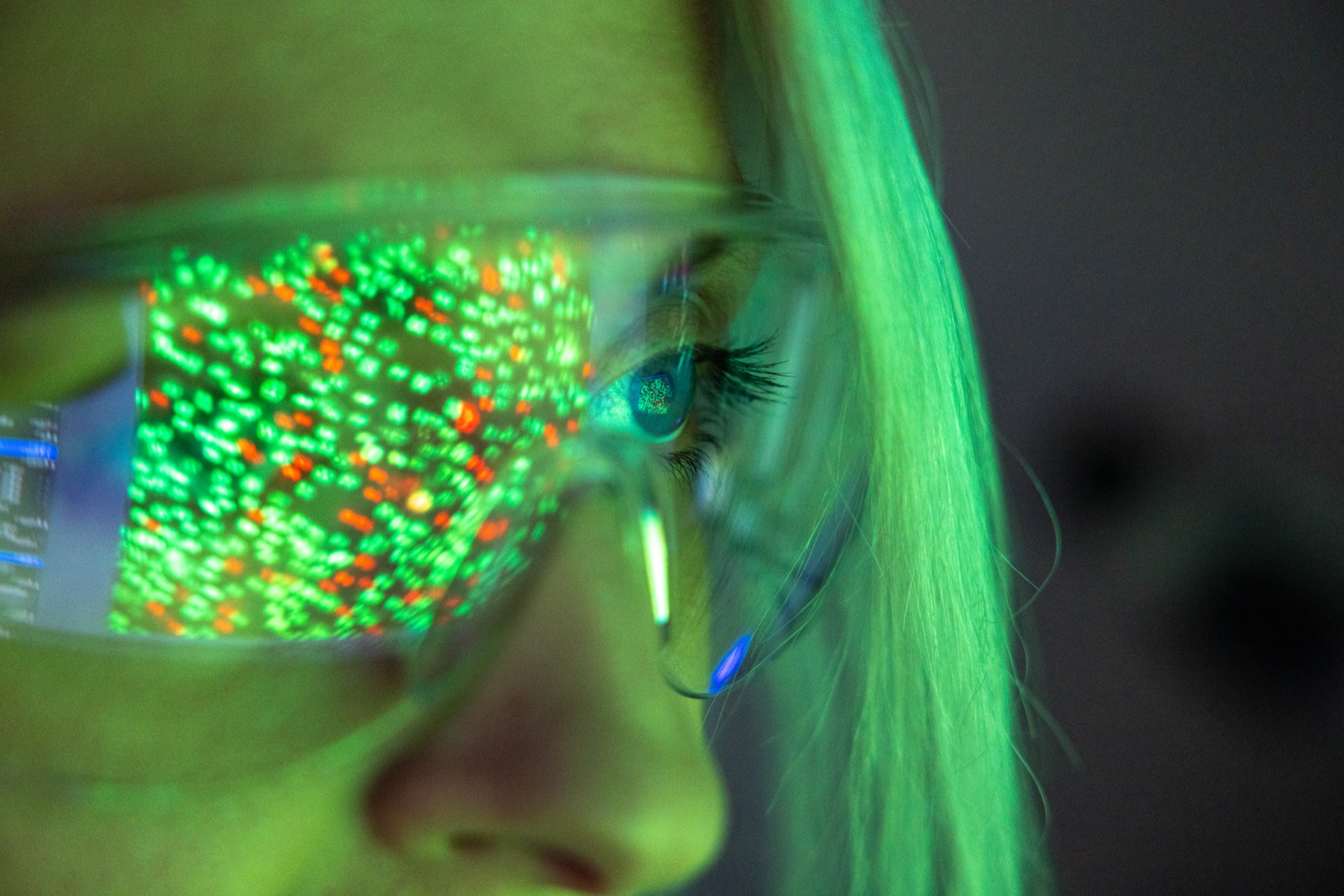
Pore-forming exotoxins, elastases, bacterial signalling molecules and endotoxins actively contribute to infection and tissue damage.
Defensive factors
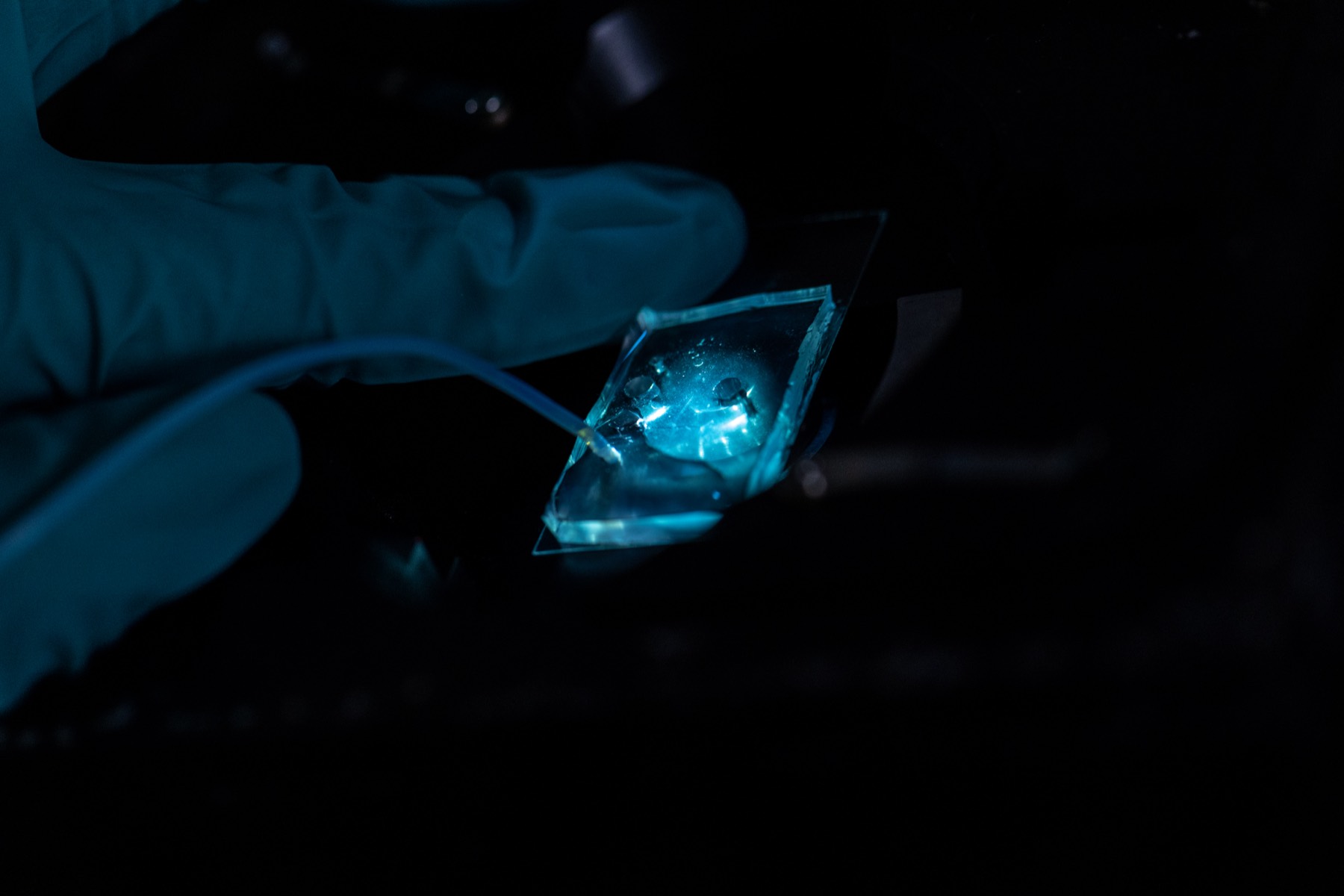
Biofilms shield pathogens from elimination, protecting them from both antibiotic treatment and the defences of the immune system.
A unique and novel target
We bind the weapon and break the shield – at the same time.
Hydrophilic shellMacrocycles dissolve in water and travel where the infection is.
Hydrophobic coreThe cavity attracts and encapsulates hydrophobic virulence factors, containing them inside.
Engineered side groupsFunctionalised groups bind bacterial endotoxins and disrupt formed biofilms.
No selective pressureNot bacteriostatic, not bactericidal – so resistance has nothing to select for.
Why we call them Future-Proof therapies
Built to withstand the test of time.
Since the 1950s the average time it takes bacteria to develop resistance to a new antibiotic has dropped from 21 years to about one. With global resistance rising and development often taking a decade or more, the current model is untenable. The unique mode of action of our therapies gives them two distinct benefits.
Potency against resistant pathogens
They demonstrate robust efficacy even against highly resistant bacterial strains, because they do not depend on the pathways those strains have already learned to defeat.
Minimised resistance development
By focusing on processes occurring outside the pathogen, these therapies exert minimal selective pressure. Bacteria are not pressured to mutate in ways that would confer a survival advantage against the treatment.

Pipeline
Three programs against the WHO top-priority pathogens.
- Discovery
- Lead opt.
- Preclinical
- Phase I
- Phase II
- Phase III
Team
A spin-off of Aalto University and the University of Helsinki.

Momentum
Funded, accredited and active in the AMR community.
Arivin plays a very active role in the AMR community. We are Finland’s National Coordinator for AMR in the BEAM Alliance and a member of the elite antimicrobial incubator INCATE.

Selected for Deep Tech Accelerator funding by Business Finland, as one of the young and innovative companies awarded through the DTA programme.
€3 million seed round secured to advance Future-Proof antimicrobial therapies.
Finnish National Coordinator in the BEAM Alliance, the European AMR innovation hub gathering biotech companies.
A new treatment for multidrug-resistant bacteria developed by Arivin published in Nature Communications.
 Selected in the first ever round of the elite antimicrobial incubator programme.
 Finnish National Coordinator since 2023, shaping national and European AMR policy.
Get in touch
We are always happy to discuss anything AMR related.
At Arivin we are continually growing and evolving. If you are interested and want to find out more, get in touch. And as Finnish National coordinators on antimicrobial resistance, we are always glad to talk AMR. Leave us a message and we will evaluate it with our team and get back to you as soon as possible.