


Science & Technology
Our science
We do not target bacterial survival. We target the tools a pathogen attacks with and hides behind – at the same time, and outside the cell.
A unique and novel dual target
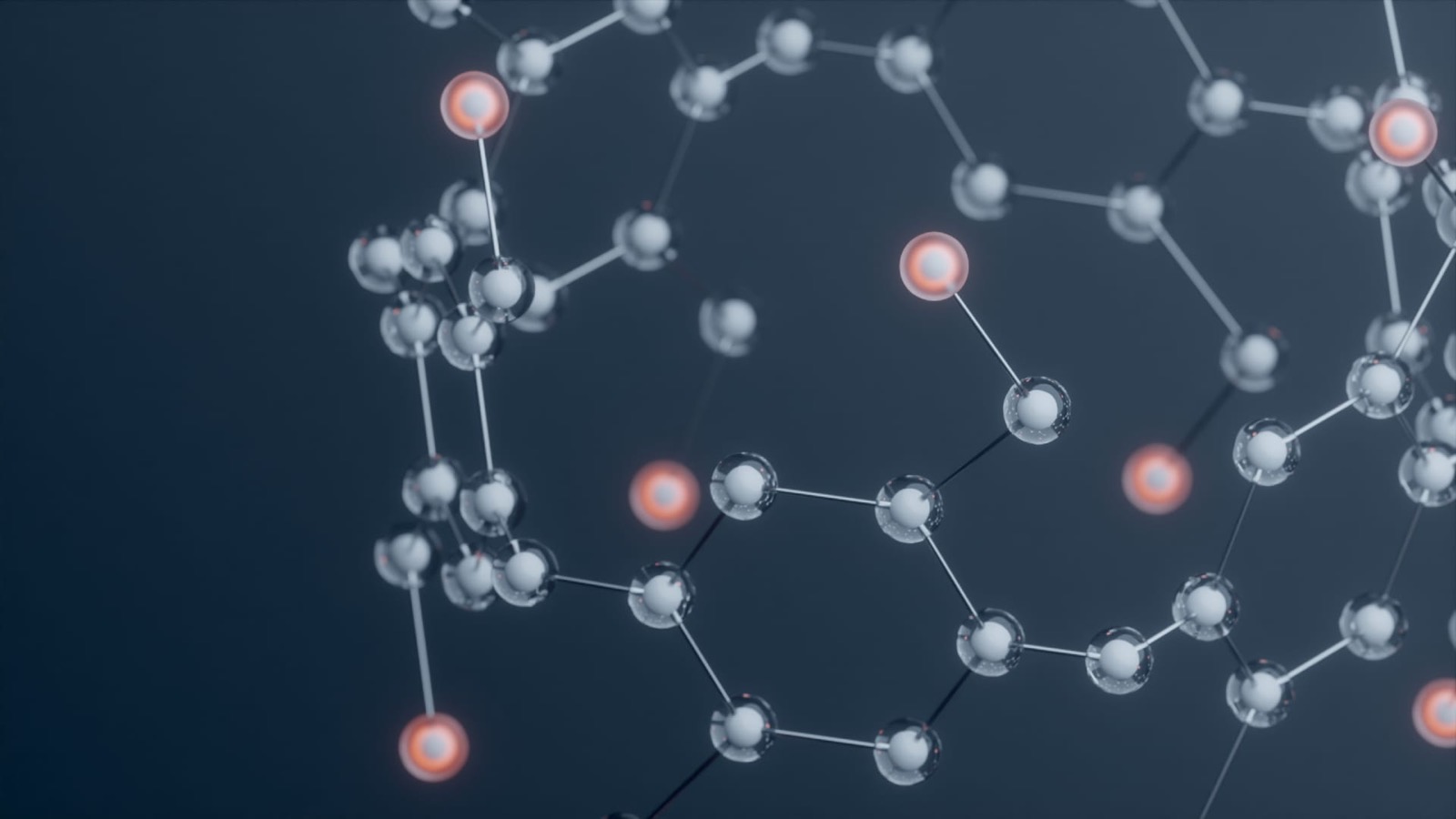
Our therapies directly target offensive and defensive virulence factors simultaneously. The lead programs directly bind and neutralize bacteria’s most deadly weapons, their toxins. Simultaneously, our therapies interact with the extra polymeric substance, which helps to directly break down bacterial biofilms.
The therapies are not bacteriostatic or bactericidal and therefore evade rapid resistance development.
Breaking down the barriers
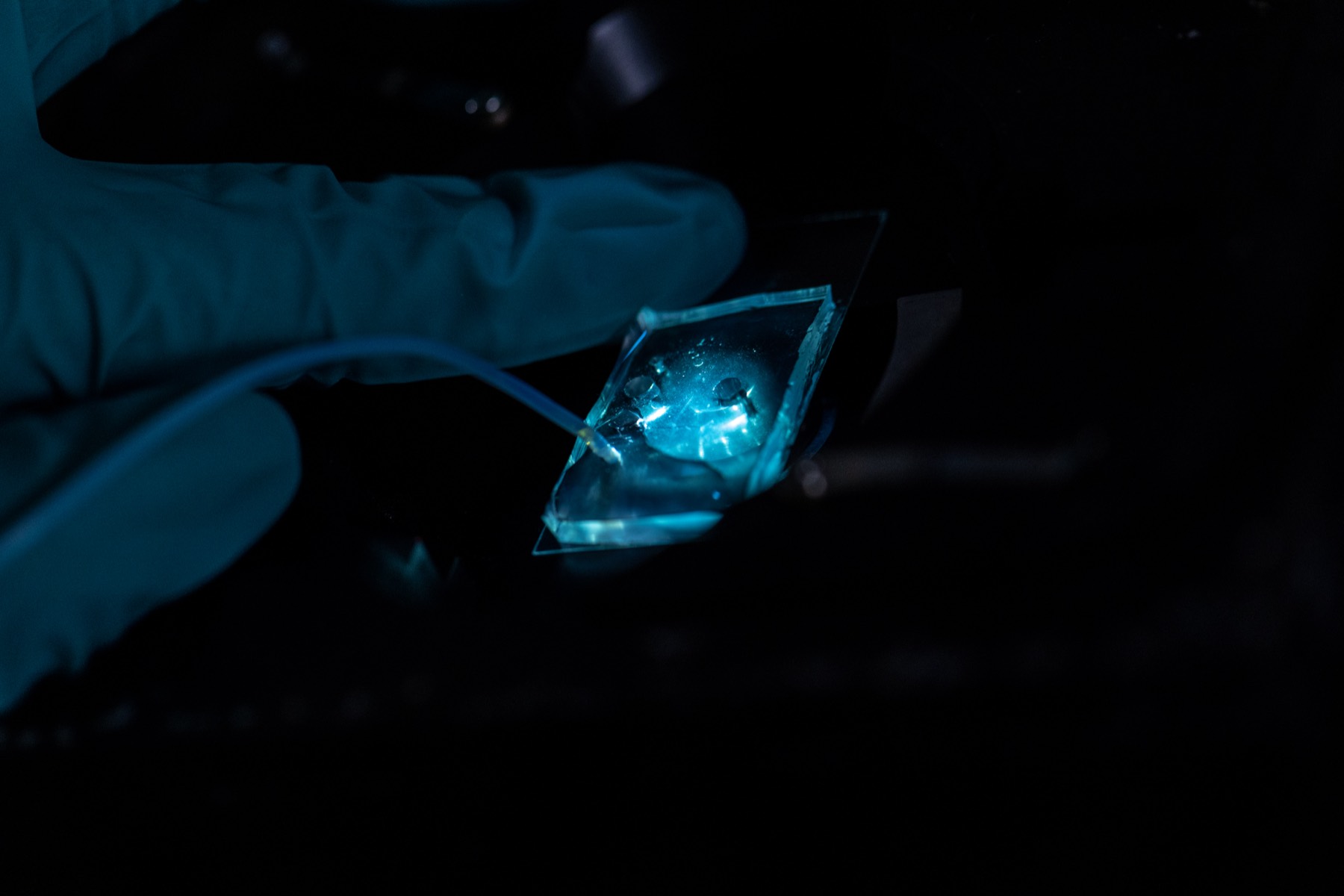
Bacterial biofilms are structured communities of bacteria encased in a self-produced extracellular matrix, making them highly persistent. Antibiotics cannot penetrate and function poorly, and bacteria residing in these biofilms are extremely challenging to remove – from hospital surfaces, devices or implants, as well as sites of infection.
The benefits of targeting and breaking down biofilms directly are also significant, particularly in chronic infections, where patients are trapped in a cycle of recurring infection and inflammation. Directly breaking down bacterial biofilms results in a reduction in chronically colonized patients and increased effectivity of antibiotics in combined administrations.
Evading bacterial resistance
The rapid emergence of antibiotic resistance has outpaced the development of new antibiotics, posing a significant challenge in treating bacterial infections. However, unlike antibiotics, our strategies have no bacteriostatic or bactericidal effects.
By focusing on processes occurring outside the pathogens, these therapies exert minimal selective pressure on bacterial populations. This approach significantly reduces the likelihood of resistance development, as bacteria are not pressured to mutate in ways that would confer survival advantages against the treatment. Consequently, our therapies maintain their effectiveness over time, offering a sustainable and Future-Proof solution.
An urgent need
We prioritize diseases where antibiotic resistance poses the greatest threat, leading to severe complications and limited treatment options. Our focus is on the most critical WHO and ESKAPE pathogens.
- Acinetobacter baumannii
- Klebsiella pneumoniae
- Pseudomonas aeruginosa
These pathogens are known for their high resistance levels.
Platform Technology
Next