

Science & Technology
Platform technology
FAST-P tackles one of the fundamental challenges in antimicrobial screening: resistance is almost never part of the screen.
Outdated discovery
Most antibiotic classes were discovered between the 1940s and 1960s. Since then, discovery has become increasingly difficult, and research has mostly shifted toward modifying existing antibiotics instead of finding entirely new ones. At the same time, the limited number and age of known antibiotic classes means that conventional screens have exhausted nearly all available compound libraries.
Exhausted compound libraries
In his 1945 Nobel Prize acceptance speech for the discovery of the first antibiotic, penicillin, Alexander Fleming already warned of the potential for bacterial resistance. Yet from the beginning, little attention has been given to how novel treatments contribute to resistance during the drug discovery and development process. This remains true today, and for many new candidates, little is known about how they drive resistance mechanisms or how effective they are against resistant pathogens.
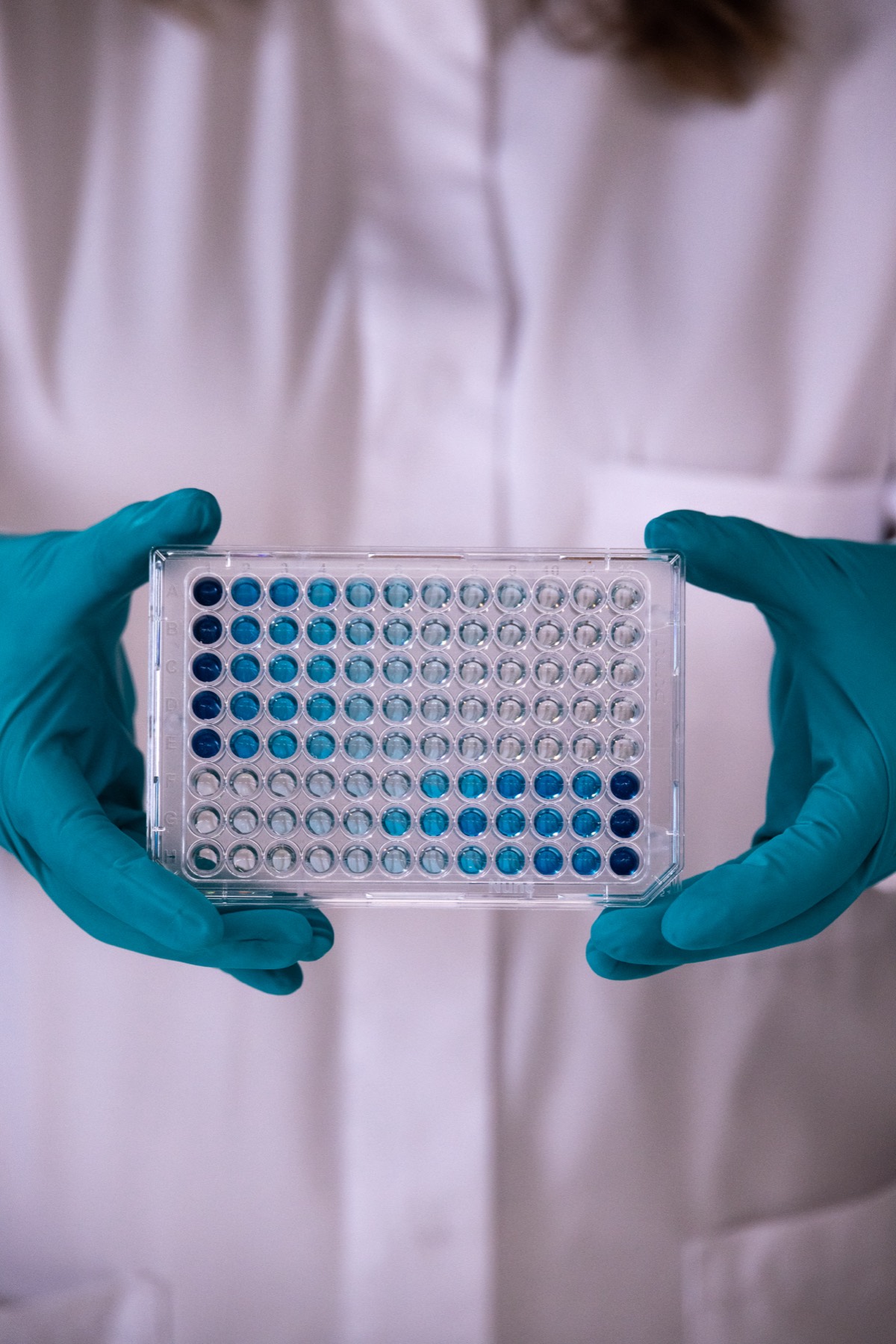
Aalto University, photo Mikko Raskinen
Future-Proof screening
We believe that resistance should be a central focus in antimicrobial screening efforts. Early in the screening process, we thoroughly evaluate:
- how prolonged exposure to candidate compounds may drive the emergence of resistance mechanisms in bacterial pathogens, and what those mechanisms are;
- how effective these compounds are against pathogens that are already resistant;
- whether the compounds can revitalize the function of antibiotics in combined administrations, since virulence factors directly impair antibiotics.
Virulence screening
Virulence factors play a central role in the ability of pathogens to establish and spread their infections. Early clinical studies targeting these factors have been hailed as a “medical breakthrough” and represent a promising form of precision medicine for infectious diseases.
We have developed new methodologies to enable high-throughput screening of key virulence factors, opening up a largely unexplored space for the discovery of novel and more effective therapeutic targets.
Why engineered macrocycles?
Macrocycles have a hydrophilic shell, attracted to and soluble in water, but a hydrophobic core that repels water and is non-polar. This core attracts and encapsulates hydrophobic virulence factors from bacteria, containing them within its cavity.
The core structure can also be uniquely engineered with functionalized side groups to add a secondary functionality. These modifications can be optimized to directly bind bacterial endotoxins or disrupt formed bacterial biofilms. This dual functionality of core cavity and functionalized side groups, which can be rationally engineered, provides enormous potential for the screening of improved antimicrobial candidates.
Publications
Next